


Frozen Beauty (F2P Mystery)
4.447.00 Reviews
App Specs
- Version
- 1.5.5g
- Updated On
- License
- Free
- Downloads
- 50,000+
- Developer
- Friendly Fox Games
- Categories
- Adventure
- Platform
- Android
Screenshots
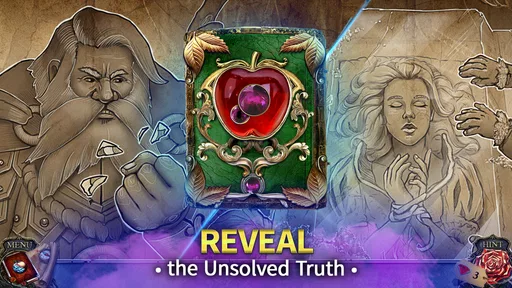
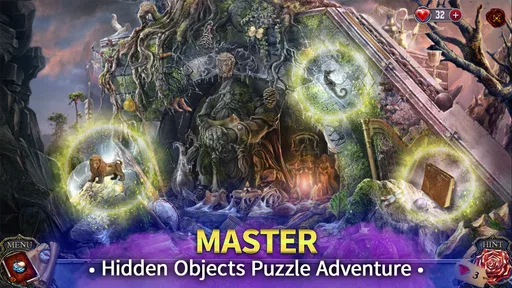
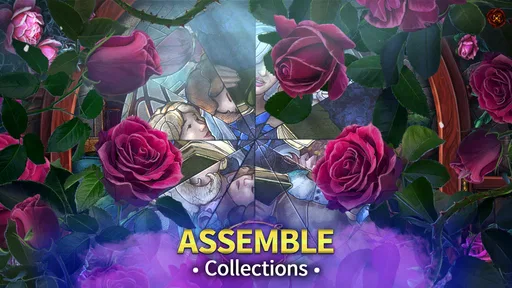
 Analysis by AppCompare
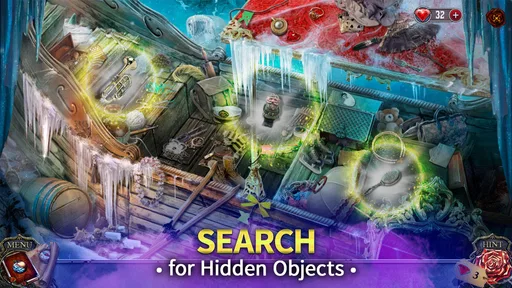
I spent time with Frozen Beauty (F2P Mystery) as a light mystery adventure built around looking closely, testing ideas, and solving one small problem after another. Its central appeal is easy to understand: you enter a frozen setting, search for useful details, and work through puzzles rather than relying on fast reflexes. That makes it a comfortable choice when I want something thoughtful but not exhausting.
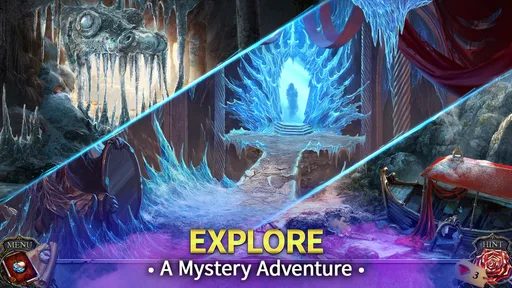
Friendly Fox Games gives the game a very specific mood through its wintry theme. The title suggests a beautiful cold-world setting, but the important part for me is how that atmosphere supports the investigation. Frozen scenery can hide objects in pale backgrounds, similar shapes, and decorative details, so the visual style is not only decoration. It directly affects how carefully I play.
This is a free adventure game for Everyone, with optional in-app purchases ranging from $0.99 to $14.99 per item. It requires Android 6.0 or later, and the current version is 1.5.5g. The game was released on February 18, 2026, and its 4.4 average from around 1.3 thousand ratings suggests that its relaxed hidden-object approach has found a receptive audience. More than 50 thousand installs also give it a useful level of visibility without making it feel like an overexposed mainstream title.
How the mystery loop feels in actual play
I find the mystery loop most satisfying when I treat each scene as a small investigation rather than a hunt for taps: I scan, note what stands out, and only then test a promising detail. That keeps the game’s visual search connected to its puzzles and makes a missed clue easier to revisit calmly. The next useful question is how to handle the moments when that careful rhythm breaks down.
The first action is observation, not speed
My first move in a scene is always to stop tapping and scan the entire image. That sounds obvious, but it is the habit that makes the biggest difference here. A hidden-object game can tempt you into random touches, especially when the screen is busy. In this one, I get better results by dividing the scene into sections: upper corners, central objects, edges, and areas where the colors blend together.
That approach makes the opening action feel more like examining evidence than clearing a checklist. I look for unusual outlines, objects that do not match their surroundings, and details that seem deliberately placed. The frozen theme makes this worthwhile because snow, ice, pale wood, and cool lighting can make a small item easy to overlook. I found that patience was more useful than rapid tapping.
The game is therefore a better fit for players who enjoy visual searching than for anyone expecting an action-heavy adventure. There is no reason to rush through the first inspection. I treat each scene as a picture that needs to be read, then interact only when I have a reasonable idea of what I am looking at. That simple change reduces mistakes and makes the discovery feel earned.
Worth Reading Before You Choose

EA SPORTS FC Mobile 26 Is a Bigger Football Game, but It Takes Time

Flipboard Shows What News Apps Must Do Beyond the Feed

Switching to Android Auto Means Rethinking Your Driving Routine

Google Calendar Makes a Crowded Week Easier to Manage

Ludo King Makes the Most of the Minutes Between Plans

Baby Panda World Brings Quick Play to Modern Phones, but Its Game Library Feels Busy
Feedback gives each search a clear rhythm
The satisfying part of the core loop comes from the response after an accurate interaction. I identify something, tap it, and receive confirmation that my attention was useful. That small exchange creates a steady rhythm: inspect, test, confirm, then return to the wider scene. It is a modest reward, but it keeps the search from feeling like an aimless image hunt.
When I make a wrong guess, the experience becomes a reminder to slow down rather than a reason to abandon the scene. I use those moments to reconsider whether I have mistaken a decorative shape for a target or simply missed a nearby detail. The best way to play is not to treat every tap as a gamble. I make a mental note of the area I have already checked, then move to a different part of the picture.
This is also where the game differs from a conventional puzzle app. A pure logic game usually asks me to manipulate a system until a solution becomes obvious. Frozen Beauty combines that reasoning with visual memory. I need to remember what I saw, where I saw it, and whether a clue might relate to another object. The result is gentler than an action game but more involved than passively scanning a pretty background.
Puzzles turn observation into progress
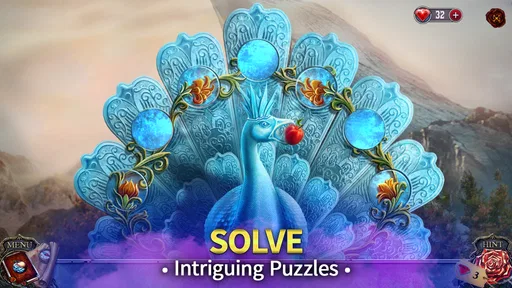
Finding objects is only part of the appeal. The mystery structure gives those discoveries a purpose, because the search leads into puzzle solving and continued exploration. I enjoy this transition most when I stop thinking of each object as an isolated collectible and start asking what role it might play. Is it a clue, a tool, a piece of a visual pattern, or simply something that confirms I am looking in the right place?
My useful rule is to separate recognition from interpretation. First I identify what the scene is showing me. Then I consider how that detail could connect to the current problem. Mixing those steps can lead to tapping everything in sight without understanding why. Keeping them separate makes the game feel more like a mystery and less like a series of unrelated clicks.
Players who are used to demanding adventure games should set their expectations appropriately. This is not the kind of experience I choose for complex character control, combat, or rapid decision-making. Its challenge comes from attention, memory, and the willingness to revisit an idea. That narrower focus is a strength when I want a calm puzzle session, but it is also the main reason some players may find the pace too restrained.
The reward is a solved detail and a reason to continue
The immediate reward is the confirmation that I found the right object or understood the right connection. The larger reward is the feeling that the frozen mystery has moved forward because of my own observation. That distinction matters. If every interaction simply removed another item from a list, the experience would become mechanical. The puzzle context gives each successful step a little more meaning.
I also like that the game encourages a form of progress that does not depend on reflexes. I can play after work, during a quiet break, or when I want something to occupy my attention without demanding constant concentration. A realistic use case is a short evening session: I search until I reach a puzzle that needs more thought, stop before forcing a guess, and return later with a fresh view. That pause often feels more productive than repeatedly tapping the same area.
The free entry point makes it easy to try that routine. I can begin without committing money, then decide whether the style suits me before considering any optional purchase. The in-app purchase range means players should still keep an eye on spending, particularly if they are tempted to use paid help or other optional items during a difficult stretch. I prefer to exhaust my own observations first, because solving a scene myself is the main pleasure.
Why a session naturally resets
What brings me back is not a competitive score or a need to maintain a streak. The reset happens when I finish a small objective, put the device down, and later return to a new visual problem with a clean mental slate. That structure works well for casual play because I do not need a long uninterrupted block of time to enjoy it.
There is also a practical reset inside the way I search. If I have stared at one section for too long, I stop, inspect another part of the scene, and then return. Changing the order of attention helps me notice details that had become invisible through repetition. This is one of my favorite ways to avoid frustration: I do not assume the game has become unfair just because I cannot see an item immediately. I assume my eyes have adapted to the image and need a break.
That said, the same structure may not satisfy someone who wants a strong sense of constant escalation. A player looking for fast levels, competitive rankings, or a deep role-playing system will probably find the reset too quiet. Frozen Beauty is at its best when the goal is to settle into a scene, solve what is in front of me, and return when curiosity takes over again.
Three practical habits that improve the experience
My first tip is to search by visual zones instead of following the order in which objects catch your eye. I sweep from left to right, then top to bottom, and mentally mark areas that are clear. This prevents the common problem of repeatedly checking the same attractive detail while ignoring the edges of the screen.
My second tip is to use the puzzle context before touching an uncertain object. If the scene has established a particular theme or sequence, I ask whether the item fits that context. That extra question turns random tapping into deduction. It is especially useful when several objects share similar colors or shapes.
My third tip is to stop before frustration changes the way you play. When I begin tapping quickly, I usually lose track of what I have already tested. A short reset restores a methodical approach. For this kind of game, a fresh inspection is often more valuable than persistent effort with a tired eye.
A fourth habit is to remember the location of anything that looks unusually prominent, even if it is not immediately useful. Mystery games often train attention through repetition: a detail that seems decorative may become meaningful when the surrounding puzzle changes. I do not assume every striking object is important, but I do keep it in mind instead of mentally discarding it.
Where it compares well, and where alternatives win
Compared with a fast adventure game, this one is calmer and more accessible. I can focus on the scene without learning complicated controls, and the Everyone rating makes it suitable for a broad audience. Compared with a basic hidden-object title, the puzzle framing gives my searches more direction. I am not only trying to find things; I am trying to understand why they matter.
On the other hand, a dedicated logic-puzzle app may offer deeper mechanical challenges, while a story-heavy adventure may provide richer dialogue and character development. If those are my priorities, I would choose one of those alternatives instead. Frozen Beauty is strongest in the middle ground: visual discovery, light mystery, and manageable puzzle progress wrapped in a cold, atmospheric setting.
The game also suits people who prefer playing in short bursts better than those who want a single continuous journey. Its appeal comes from completing a focused task and feeling ready to investigate again later. If I want a game that keeps my hands busy every second, this is not the right choice. If I want something that rewards looking carefully and thinking without pressure, it is much easier to recommend.
Who should try it before spending anything
I would recommend starting with the free version to anyone who enjoys hidden-object scenes, gentle mystery stories, and puzzles that depend on noticing small differences. It is a particularly good match for players who like to play with sound off, take their time, and solve problems through visual reasoning rather than quick reactions.
I would be more cautious about recommending it to players who dislike searching the same image for a missed detail. That activity is the foundation of the experience, not a side feature. Someone who finds visual scanning repetitive may lose interest even if the frozen setting looks appealing. Likewise, players who want a highly demanding challenge should understand that the game’s satisfaction comes from steady discovery rather than intense difficulty.
The age rating of Everyone makes it an approachable option for shared casual play, although I would still let each player decide whether the mystery atmosphere matches their taste. The important question is not whether it is broadly accessible, but whether the player enjoys the specific loop of finding, interpreting, solving, and returning.
My verdict on the complete loop
Frozen Beauty works because its actions connect cleanly. I inspect a wintry scene, tap a detail, receive feedback, use that discovery to approach a puzzle, and then reach a small reward that makes the next investigation feel worthwhile. When I stop, the game leaves me with an unfinished question rather than a demand to keep playing. That is why another session feels inviting instead of obligatory.
Friendly Fox Games has kept the focus on a recognizable mystery-adventure formula and given it a distinct frozen presentation. The result is not designed to replace a large action adventure or a demanding logic game. It is a more focused experience for quiet attention, short breaks, and players who enjoy the moment when a hidden detail finally becomes visible.
My honest recommendation is to try it if you want a free, approachable search-and-puzzle game and are comfortable with optional purchases being part of the wider experience. I would skip it if your ideal adventure requires combat, rapid movement, or extensive character systems. For everyone else, the strongest reason to begin another session is the simple pleasure of noticing what you missed before—then using that discovery to push the mystery one step further.
Pros
- Engaging mystery story with a charming frozen fantasy setting.
- Free-to-play structure makes the game accessible without an upfront purchase.
- Simple controls are easy to learn for casual players.
- Atmospheric visuals create a distinctive winter-themed experience.
- Short gameplay sessions suit quick play on mobile devices.
Cons
- Optional purchases may be needed to progress more quickly.
- Some puzzles can feel repetitive after extended play.
- Energy or waiting systems may interrupt the gameplay flow.
- The storyline may be too brief for players seeking a long adventure.
- Performance can vary on older Android and iOS devices.
FAQs for Frozen Beauty (F2P Mystery)
What is Frozen Beauty (F2P Mystery) about?
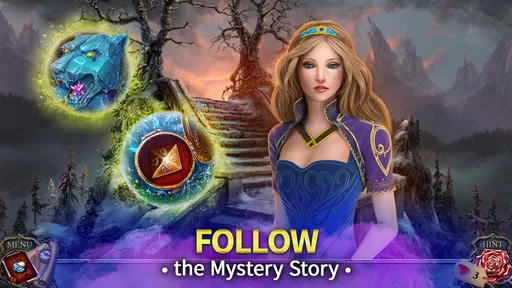
Frozen Beauty (F2P Mystery) is a free-to-play mystery adventure built around a dark, snowy setting and a central investigation. You explore locations, examine clues, solve puzzles, and follow story conversations to uncover what happened. The game is aimed at players who enjoy narrative-driven mysteries, hidden details, and gradual story progression rather than fast action or competitive gameplay.
Is Frozen Beauty really free to play?
The game can be downloaded and started without paying, which makes it accessible to players who want to try the mystery before spending anything. However, free-to-play releases may include optional purchases, advertisements, energy systems, hints, or other progression features depending on the platform and version. It is worth checking the store listing and in-game purchase information before downloading, especially on shared devices.
Does Frozen Beauty require an internet connection?
An internet connection may be needed for the initial download, account or store verification, advertisements, updates, and certain online features. Some story sections might remain available offline, but this should not be assumed for every part of the game. If you plan to play while traveling, open the game after installation and test the available content before relying on it without Wi-Fi or mobile data.
Is Frozen Beauty suitable for children?
Frozen Beauty is primarily designed for players who enjoy mystery and suspense, so its atmosphere may include unsettling situations, danger, dramatic themes, or darker storytelling. The exact age suitability can vary by store rating and regional version. Parents should review the official age classification, read the content descriptors, and consider whether the game’s tone, advertisements, and optional purchases are appropriate for younger players.
What devices are compatible with Frozen Beauty?
Compatibility depends on the Android or iOS version, available storage, device hardware, and the requirements listed on the relevant app store page. Although the game is generally intended for modern smartphones and tablets, older devices may experience longer loading times, reduced performance, or installation problems. Before downloading, check the operating-system requirement, free storage space, and recent user reviews for your specific device.


